
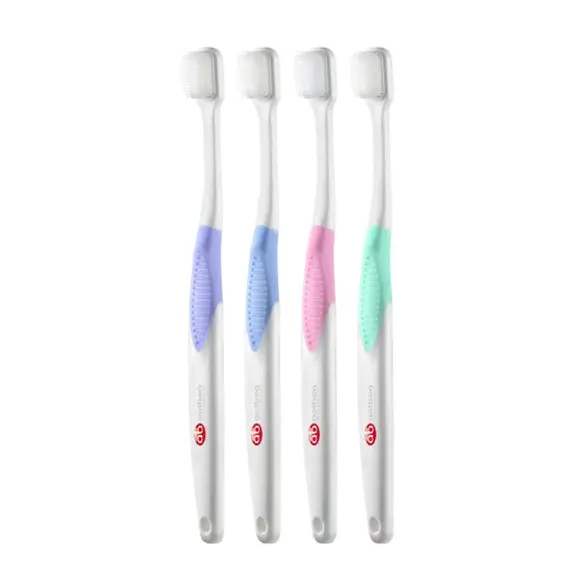
Phone:+86-13952799285
Two toothbrushes sit side by side on a product page. Both carry the word smart, both list a two minute timer and a rechargeable battery, and one costs three times as much as the other. Nothing on either page explains what that extra money actually buys. That gap is the real problem behind how to buy a smart electric toothbrush, because the word smart does far more marketing work than technical work, and the features that change your daily brushing are buried under app screens, storage cases, and colour options.
Here is the short version. Buy for the cleaning mechanism first, the pressure control second, and the price of replacement heads third. After those three, everything else is preference. The rest of this guide shows how to check each one in a few minutes, using specifications you can find on almost any product page.
Start With the Cleaning Mechanism, Not the Feature List
Smart electric toothbrushes move the brush head in one of two ways: a small round head that oscillates and rotates back and forth, or a slim head that vibrates side to side at high speed. The mechanism decides how the brush feels in your hand, which parts of the mouth it reaches easily, and how forgiving it is when you press a little too hard.
| What you compare | Oscillating and rotating | Sonic vibrating |
|---|---|---|
| Cleaning motion | Round head turns back and forth with a gentle pulse | Slim head vibrates side to side at high frequency |
| Typical speed | Around 6,000 movements per minute | 20,000 to 33,000 vibrations per minute |
| Brush head | Small round head, roughly 8 to 10 mm, cleans tooth by tooth | Longer oval head, covers two to three teeth at once |
| Feel in the mouth | Mechanical, more noticeable contact | Light and buzzy, less contact pressure |
| Often suits | Gum margin cleaning, sensitivity, users who brush hard | Users who want a familiar motion and quick coverage |
| Watch out for | Small head can feel slow at first | Some users find high frequency ticklish |
Oscillating models work the bristle tips against the tooth surface and slightly under the gum margin. Sonic models rely on rapid fluid movement around the bristles to lift plaque, which is why they feel more like a soft buzz than a mechanical scrub. Looking at a full sonic electric toothbrush range next to an oscillating range makes the differences in head size, speed, and spare parts much easier to judge.
Technique still matters more than frequency. A careful two minute routine with light pressure removes more plaque than a fast brush pressed hard into the enamel, and the basics are covered in this guide to how to use an electric toothbrush. What matters at purchase time is fit. If you have receding gums or a history of over brushing, a small round head gives you finer control at the gum line. If you want the motion you already know, with less wrist movement, a sonic handle is easier to adopt.
What the Word Smart Should Actually Mean
Three functions justify paying more for a smart model, because they change behaviour rather than simply report it.
- Pressure sensor: warns you when you push past roughly 150 to 250 grams of force, which is the range where gum recession and enamel wear begin.
- Two minute timer with 30 second pacing: divides the mouth into four zones so the back molars do not get ten seconds and the front teeth get the rest.
- At least one gentle or sensitive mode: lower speed with softer filament, for mornings when your gums feel tender or after dental work.
Features that add cost without changing much include Bluetooth apps that score your brushing, ultraviolet storage cases, and coaching screens. They are not harmful, but they should never be the reason you choose one handle over another. A sensible smart handle gives you a reliable motor, a clear pressure signal, and a mode you will still use in month six.
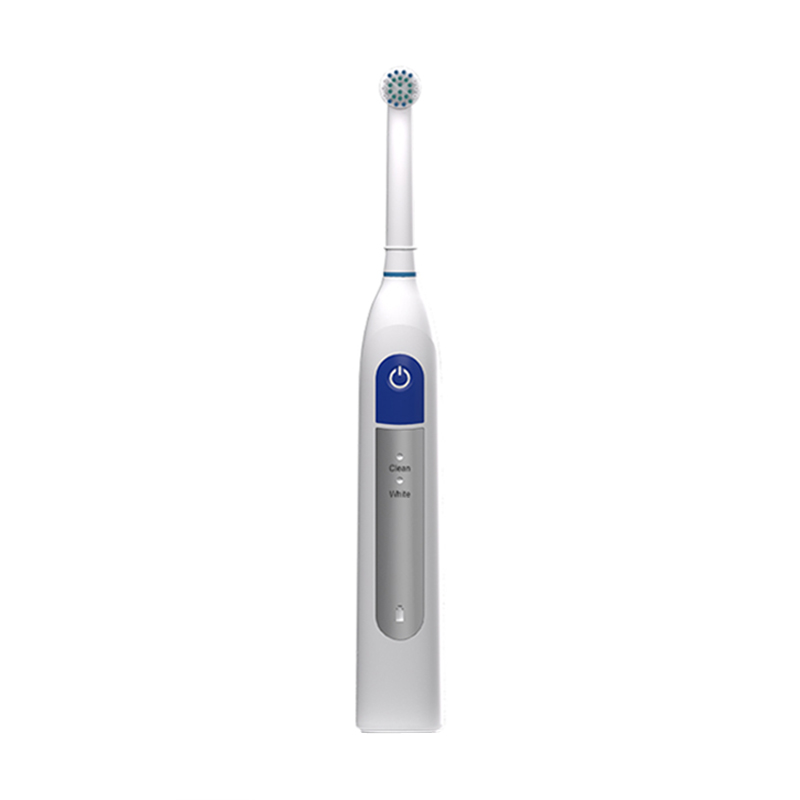
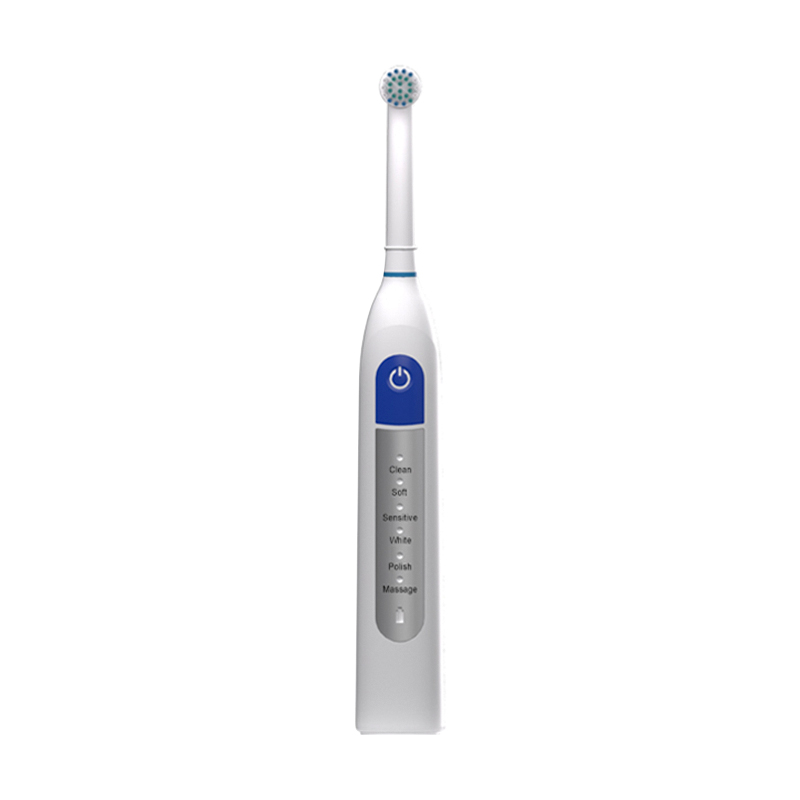
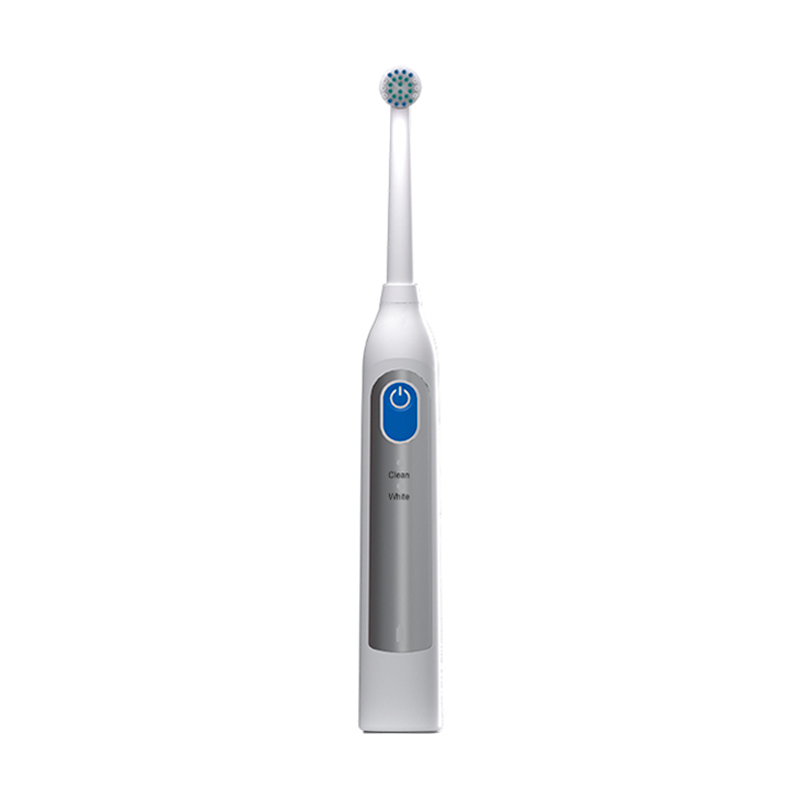
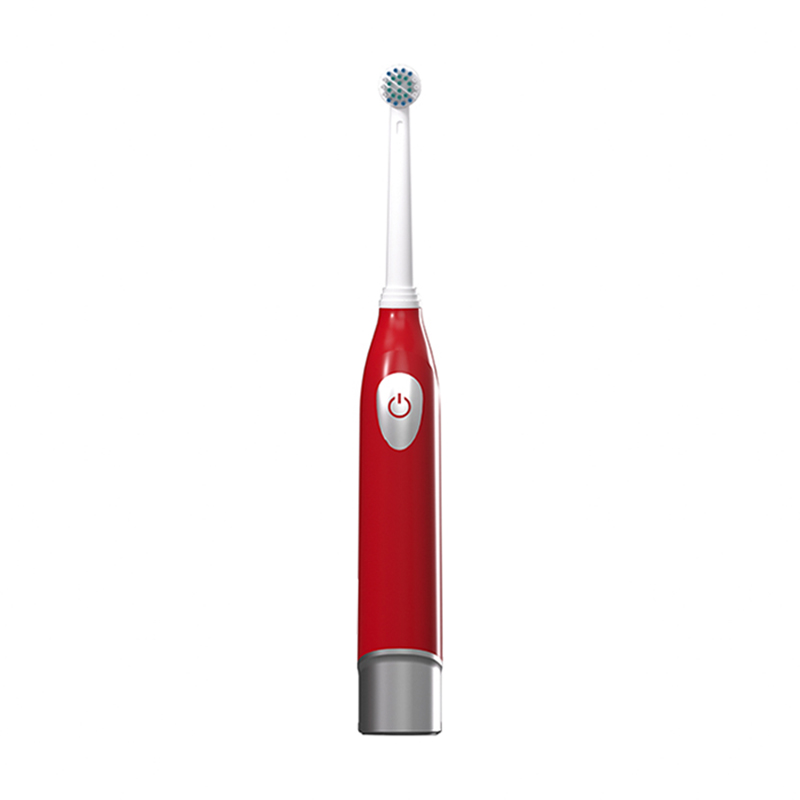
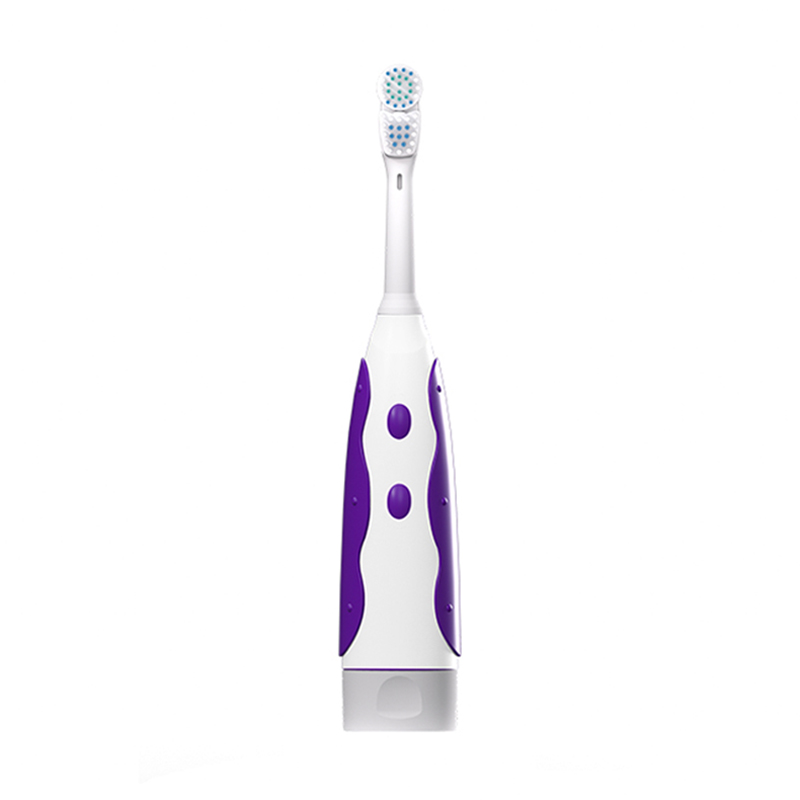
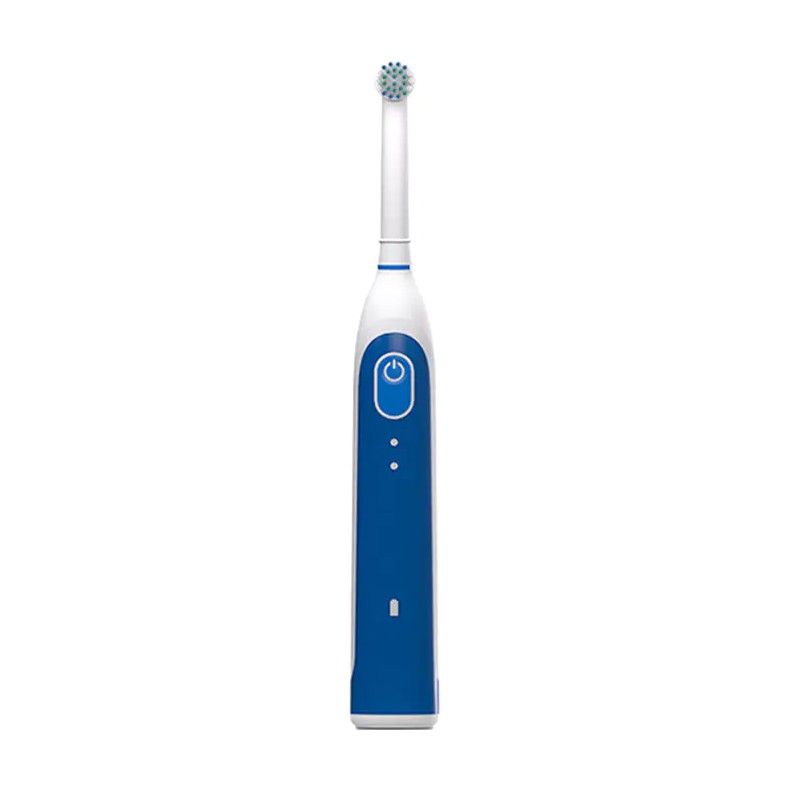
A rechargeable oscillating adult model with a sealed body, a built in pressure reminder, and a two minute timer covers that brief without adding screens or subscriptions.
 ALB-920 Smart Oscillating Adult Rechargeable Electric ToothbrushA sealed IPX7 oscillating model with two modes, quadrant and two-minute timers, and a circular Dupont soft-bristle head for adults comparing brush-head details.View Product →
Brush Head, Bristle Softness, and Gum Comfort
Once the mechanism is settled, the brush head is the part that touches your mouth every day, and it is the part most buyers skim past. Three details matter: head size, bristle end finishing, and filament density.
A head that is too large cannot reach the last molar or the inside of the front teeth without forcing. A head that is too small takes longer to cover the mouth but reaches the gum margin more accurately. For most adults, a round head of roughly 8 to 10 mm, or an oval head covering two to three teeth, is a reasonable compromise.
Bristle ends should be rounded. Sharp or poorly finished filament ends scratch the gum surface and make sensitivity worse, no matter how good the motor is. Look for soft or extra soft filament on sensitive models, and check whether the brand publishes a filament grade rather than just the word soft. Dense, fine filament places more tips against the tooth surface at low pressure, which helps when you are brushing around a crown, an implant, or an area of gum recession.
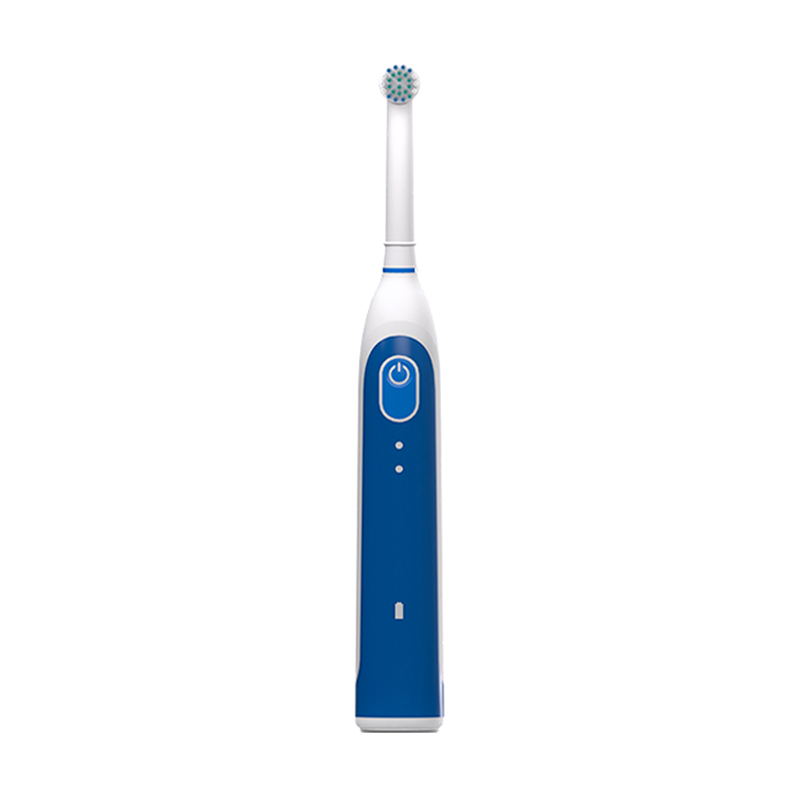
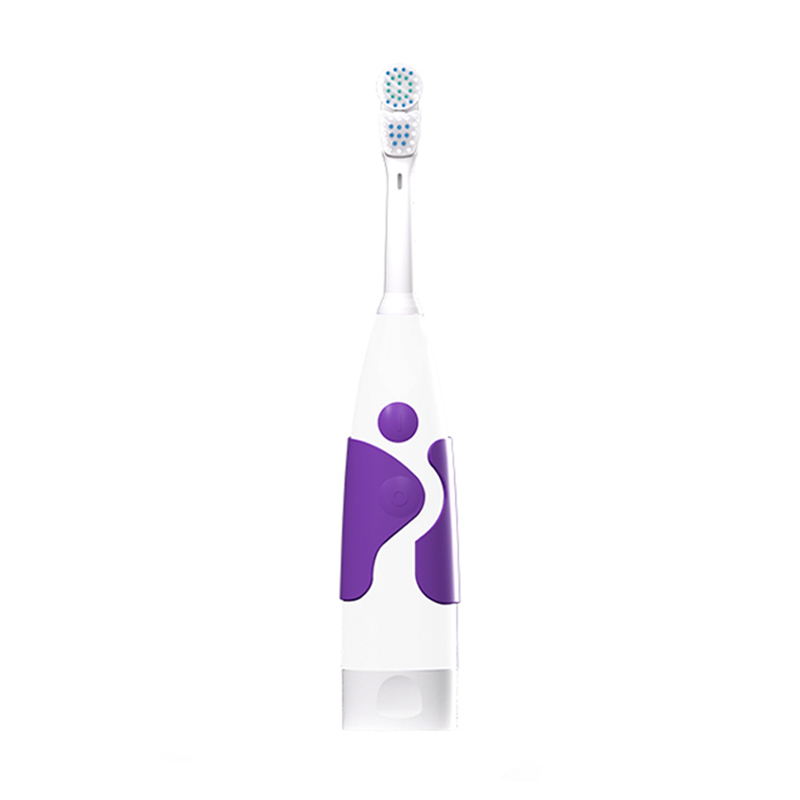
If your gums bleed regularly during brushing, choose the softest option available and treat extra cleaning power as something to add later, once the bleeding settles. A rechargeable duo action handle with soft filament and a compact round head is a reasonable starting point for that situation.
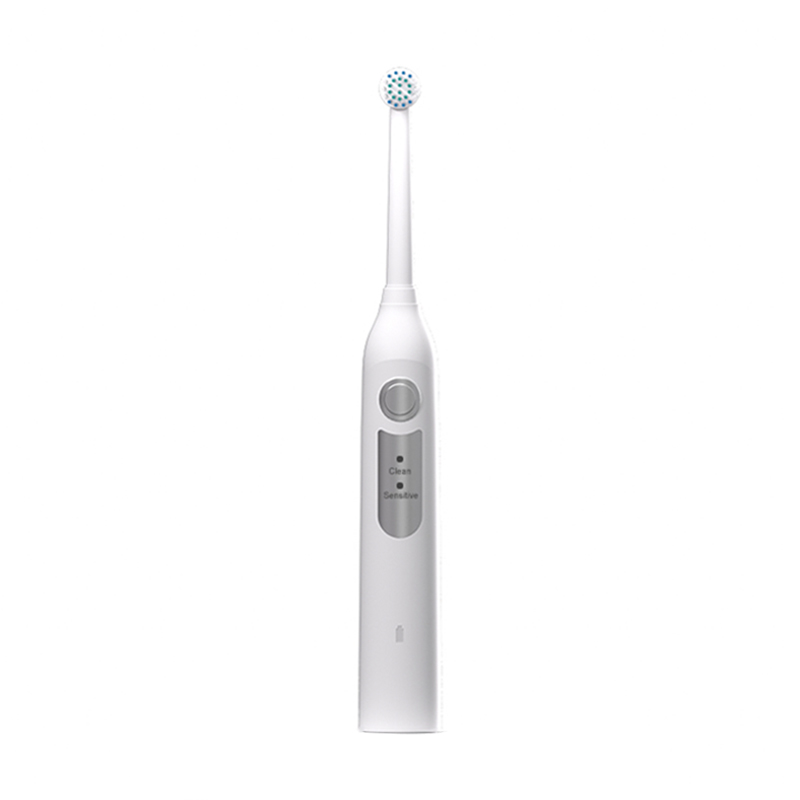
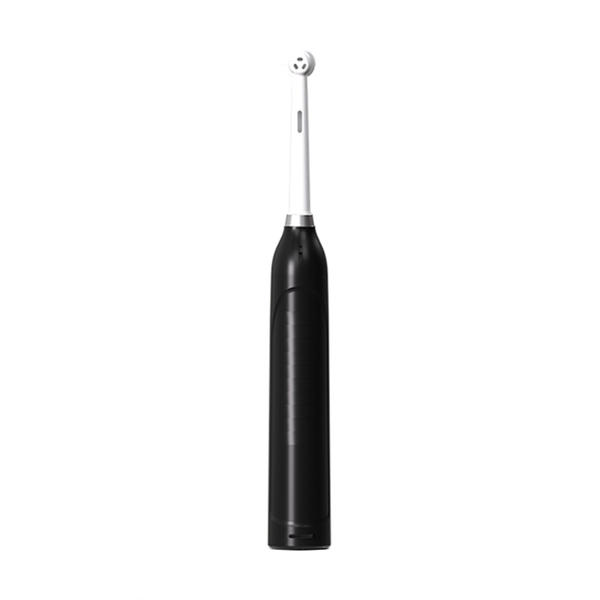 ALB-931 Rechargeable Duo Action Electric Toothbrush with Soft Dupont BristlesFor gentle daily care, this IPX7 duo-action brush pairs soft Dupont bristles with Clean and Sensitive modes, inductive charging, and about ten days of runtime.View Product →
Battery, Charging, and Water Resistance
Three specifications tell you how a smart toothbrush will behave after the first month: the IP rating, the charging method, and the realistic runtime.
The IP rating describes water resistance. IPX4 means splash resistant, enough for a bathroom sink but not for storing the handle in a wet cup or rinsing it under a running tap. IPX7 means the handle survives immersion in about one metre of water for 30 minutes, which is the better choice if the brush lives in a shower or gets dropped into the basin. The rating applies to the handle, not the charging base.
Charging methods differ in convenience. An inductive base has no exposed contacts and no port to keep dry, but it needs its own stand and a fixed outlet. A sealed USB port charges from a laptop, a power bank, or a travel adapter, which suits frequent travellers. Expect a full charge in one to three hours and a realistic runtime of two to four weeks at twice daily for two minutes, with long standby figures read as best case results at room temperature.
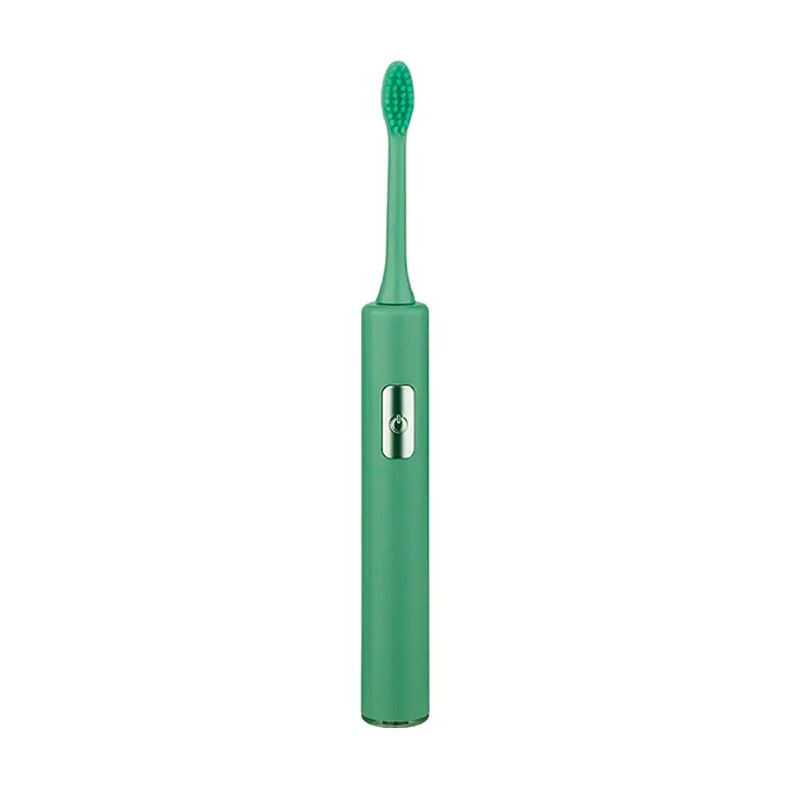
For travellers and shared bathrooms, a USB rechargeable sonic model with a long standby claim and a covered port removes both the adapter question and the mid trip charging problem.
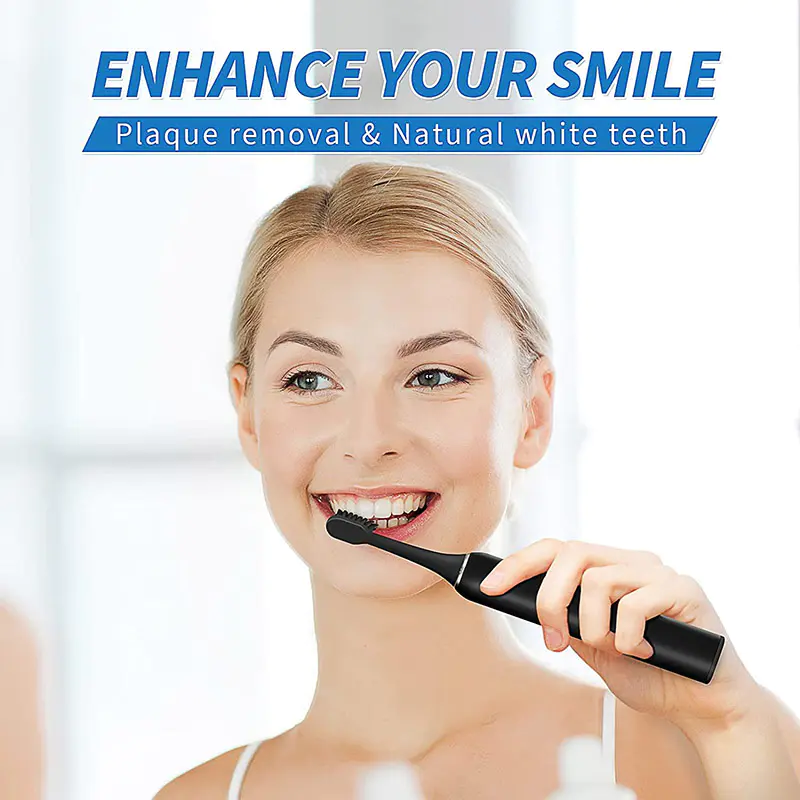 ALB-962 Super Long Standby USB Sonic Electric ToothbrushA USB-rechargeable sonic brush with IPX7 sealing and about 180 days of standby, useful for travellers who also need to factor replacement brush heads.View Product →
Replacement Heads Decide the Real Cost
The handle is a one time purchase. The heads are a subscription, and over three years they usually cost more than the brush itself. Run the numbers before comparing handle prices.
- Heads are replaced about every three months, so four per year and twelve over three years.
- A handle at 60 dollars with heads at 8 dollars each costs roughly 156 dollars over three years.
- A handle at 20 dollars with heads at 12 dollars each costs roughly 164 dollars over three years.
Check three things before you pay: that heads for the model are listed as a separate product, that the price is for a pack rather than a single head, and that the same head fitting is shared with the cheaper models in the range. If a brand changes the fitting every year, your running cost rises without warning.
A Five Minute Check Before You Pay
- Confirm the voltage and plug type for your region, especially when ordering across borders.
- Confirm the drive system and the stated speed, then decide whether that motion suits your gums.
- Confirm the IP rating on the handle, not on the box or the charging stand.
- Confirm that replacement heads exist as a purchasable pack and note the pack price.
- Confirm warranty length and spare part policy, since a handle with no spare heads is a disposable item.
- Confirm the pressure sensor and timer are described in the specification, not only in the marketing text.
Buying for a Household, a Clinic, or a Store
Buying more than one brush changes the criteria. In a household, standardising on one head fitting and one charger family reduces clutter and keeps spare parts interchangeable between handles. In a clinic, a dental office, or a care home, handles that share heads with a widely available model are easier to maintain, and a documented IP rating matters more than app features.
If you are buying in volume from a manufacturer rather than at retail, ask for the model list, the head fitting across the range, the IP rating per model, and the standards each product is tested against. A supplier that has taken part in drafting oral care standards, and that runs a consistent model numbering system across its range, is easier to audit than one selling a single unbranded item. Aolbea states that it has participated in drafting national and industry standards covering electric toothbrushes and holds more than 130 patents across roughly 100 models. Treat claims of that kind as a starting point rather than a conclusion, and verify them against certificates, test reports, and the exact model number printed on the packaging before placing an order.
Buying a smart electric toothbrush comes down to three numbers: the drive system that suits your gums, the IP rating that suits your bathroom, and the price of a pack of replacement heads. Get those right and the app, the case, and the colour options become small decisions rather than the reason you chose the brush.
Start with the mechanism, then check the head fitting and the spare parts, and only then compare prices. The brush you are still using in month six is the one that was bought in the right order.