
Phone:+86-13952799285
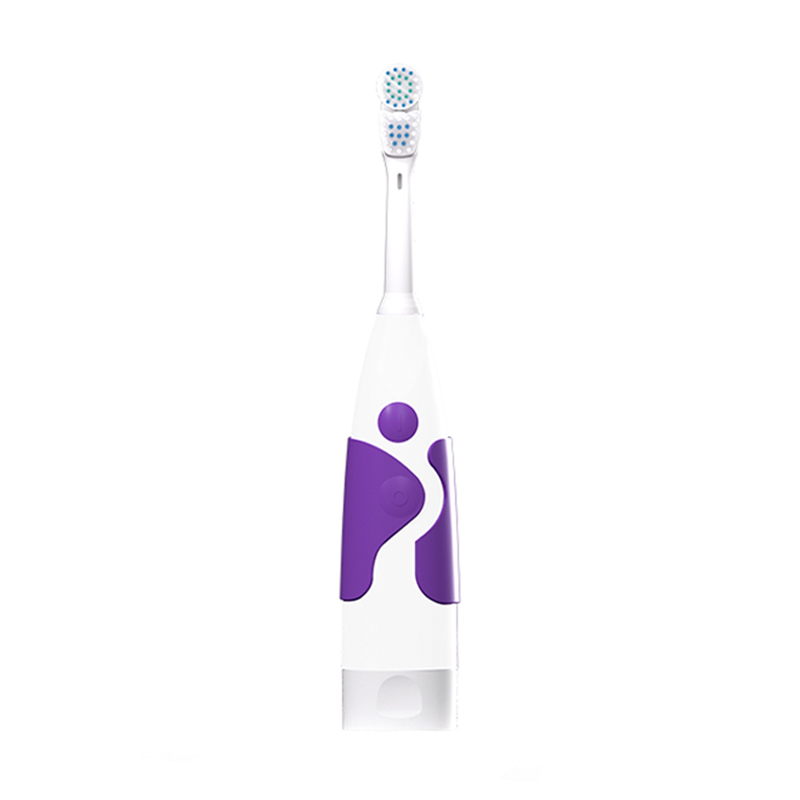
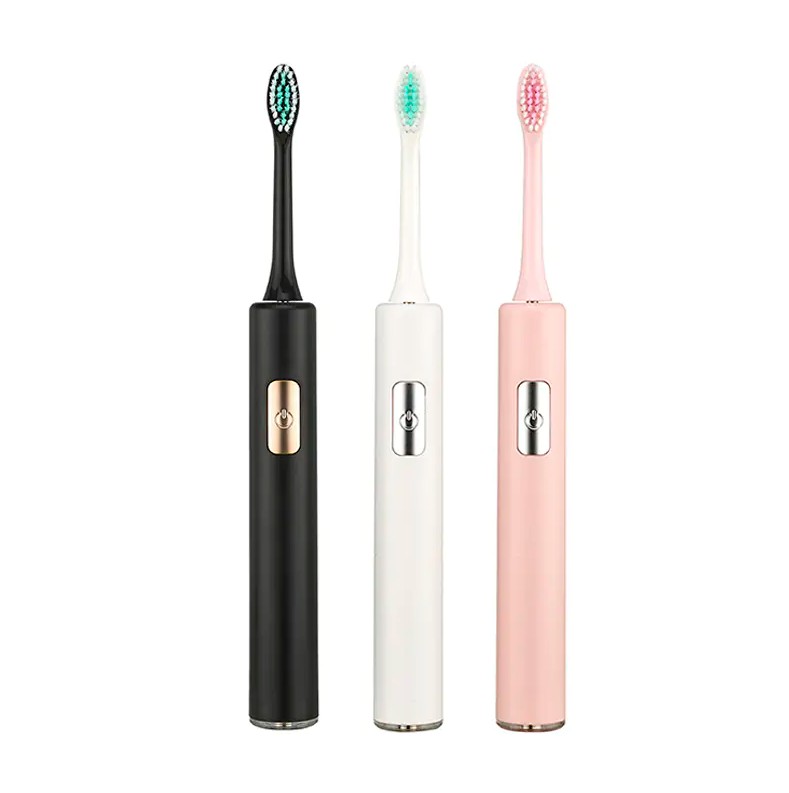
بله، مسواک های نوسانی که با باتری کار می کنند واقعا خوب هستند - و برای اکثر مردم، حذف پلاک و نتایج سلامت لثه به طور معنی داری بهتر از مسواک زدن دستی است. مطالعات بالینی متعدد از یک مزیت واضح حمایت می کند: مسواک های برقی نوسانی را حذف می کند تا 21 درصد پلاک بیشتر و التهاب لثه را تا 11 درصد بیشتر نسبت به مسواک های دستی تنها پس از چند هفته استفاده مداوم. مدلهای نوسانی که با باتری کار میکنند، بهویژه این حرکت مسواک زدن اثباتشده بالینی را با راحتی باتریهای استاندارد AA یا AAA ترکیب میکنند و آنها را برای همه گروههای سنی در دسترس، مناسب سفر و آسان میسازند - بدون کابلهای شارژ، ایستگاههای اتصال یا هزینههای بالاتر مرتبط با مدلهای شارژی.
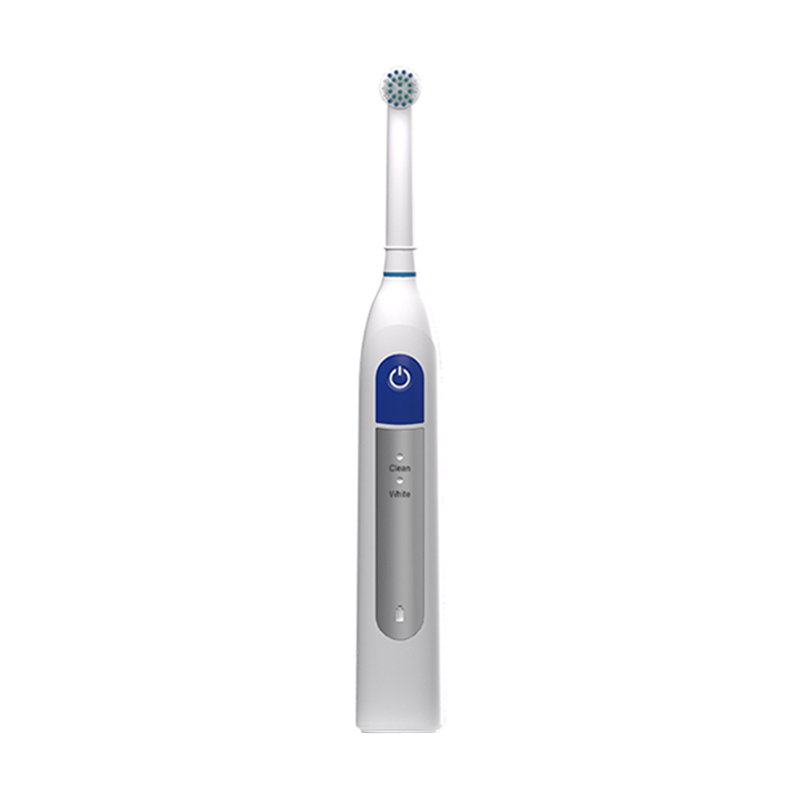
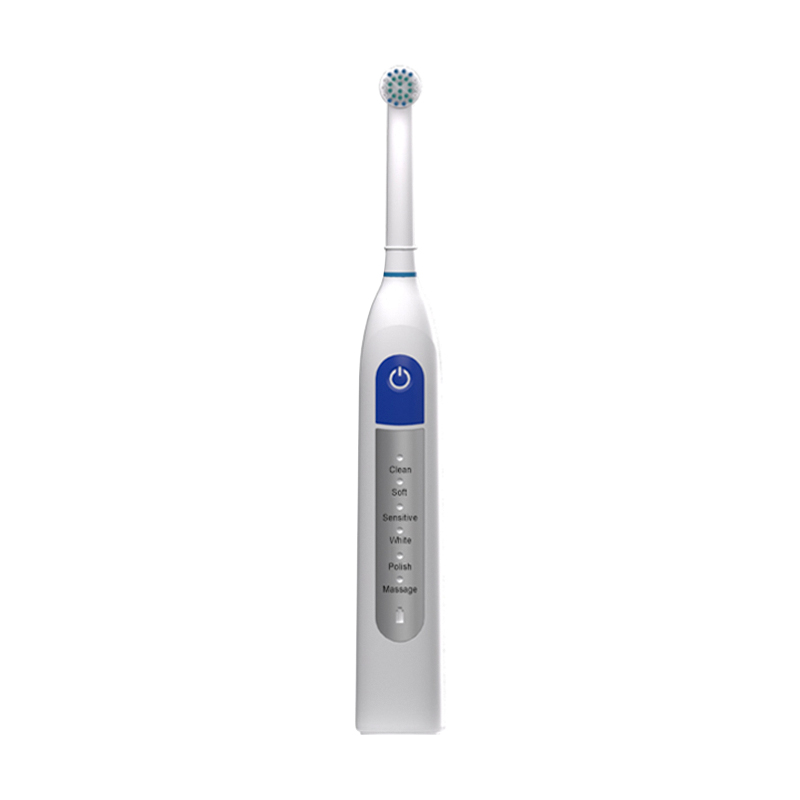
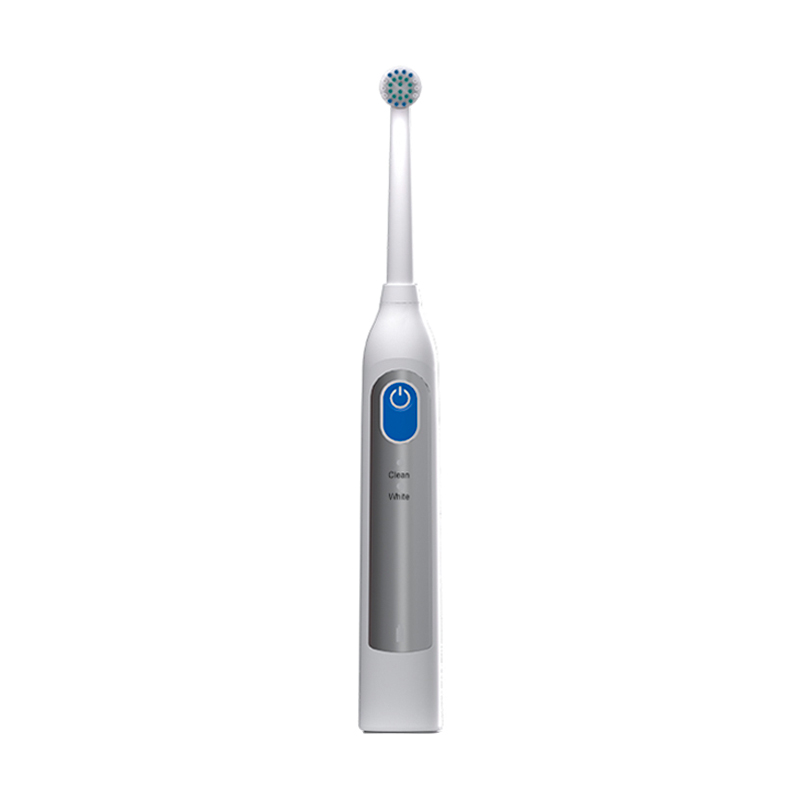
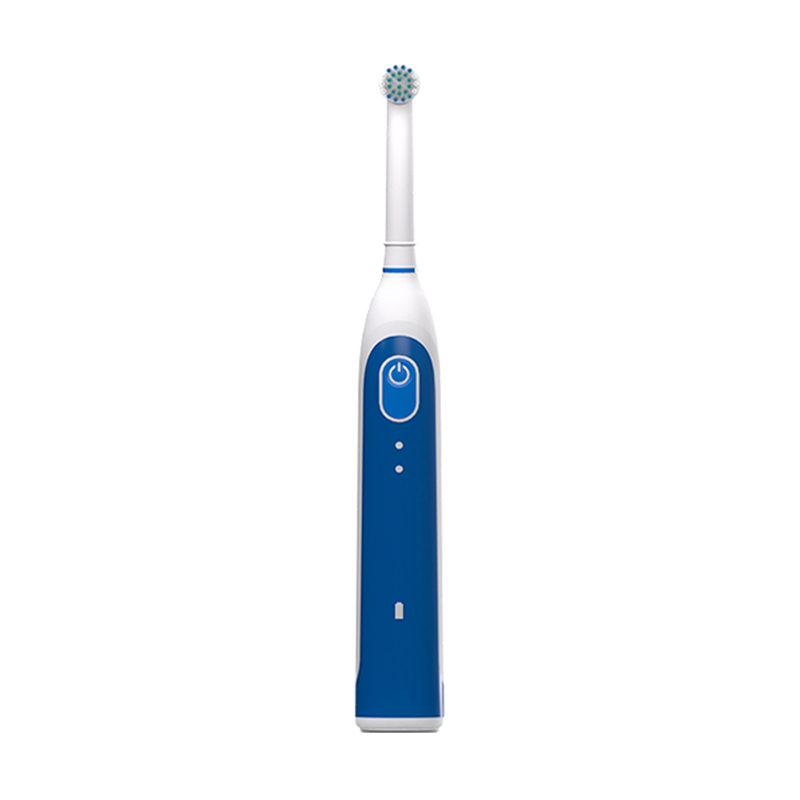
مسواک با باتری نوسانی چیست؟
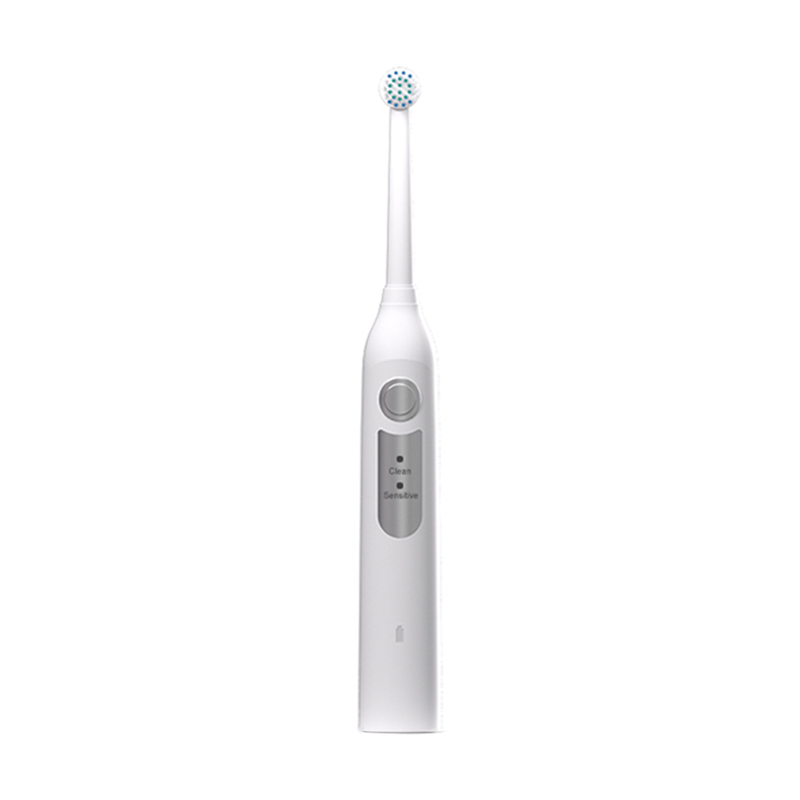
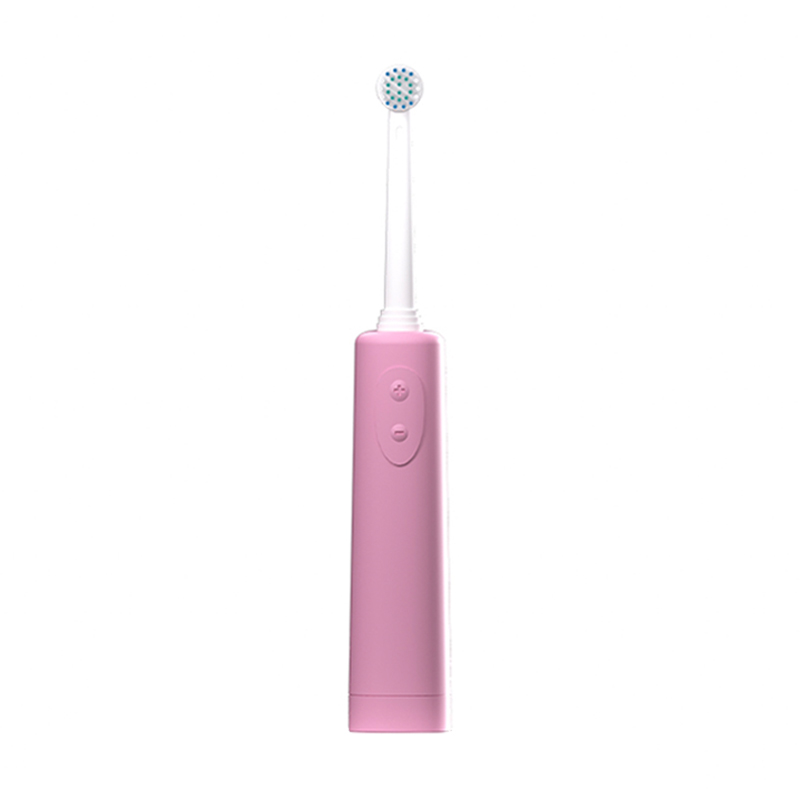
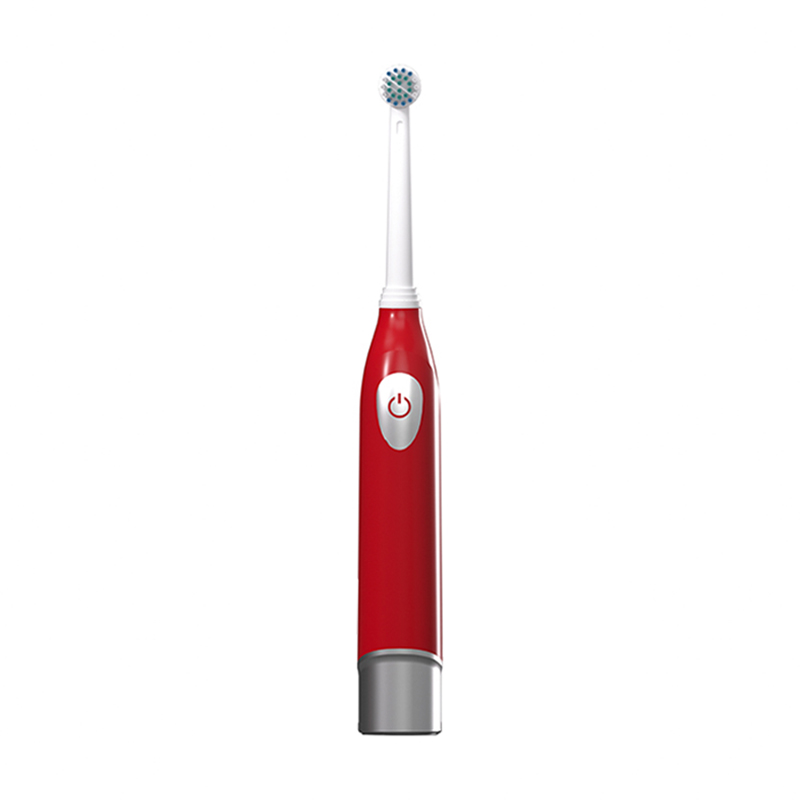
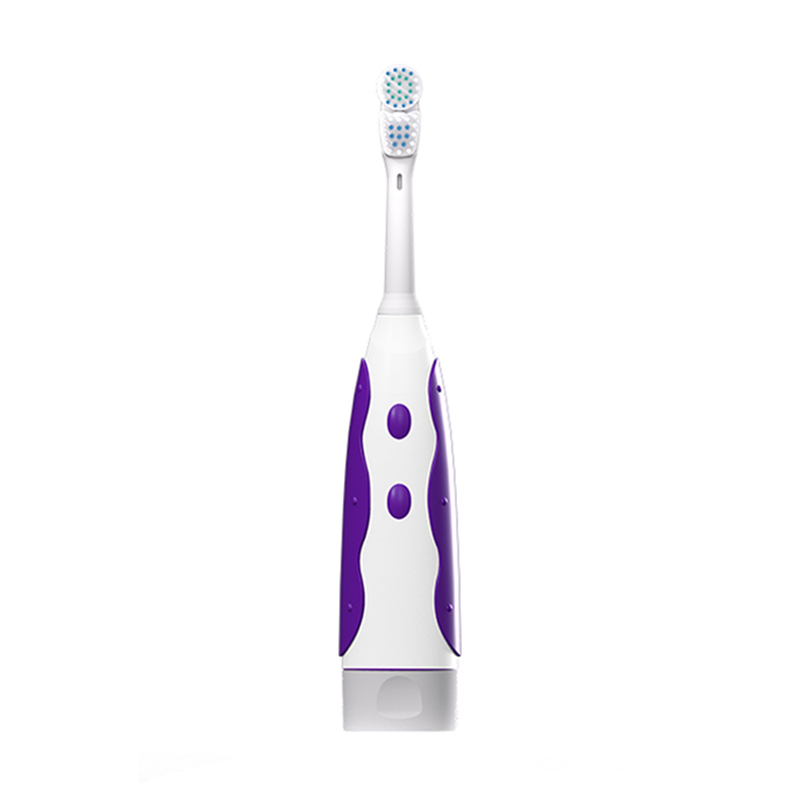
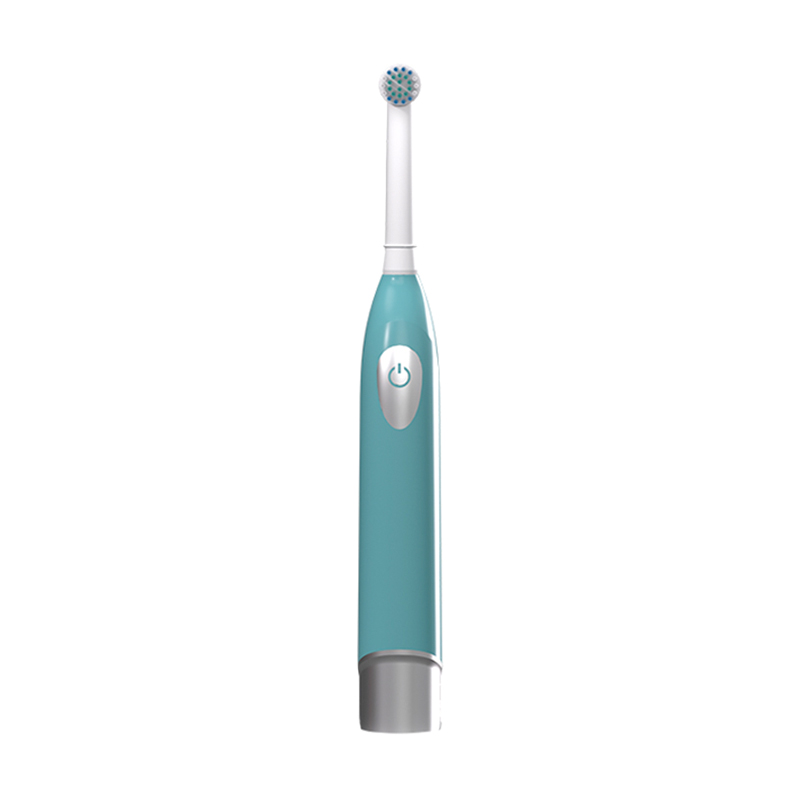
یک مسواک نوسانی که با باتری کار می کند از یک موتور الکتریکی کوچک – که توسط یک یا چند باتری استاندارد هدایت می شود – استفاده می کند تا سر مسواک را به سرعت در جهت های متناوب بچرخاند. بر خلاف مسواکهای صوتی که سر را با فرکانس بالا در یک قوس تکی تکان میدهند، برسهای نوسانی در یک الگوی چرخشی عقب و جلو حرکت میکنند و معمولاً کامل میشوند. 6000 تا 8500 ضربه قلم مو در دقیقه بسته به وضعیت موتور و باتری
سر مسواک گرد یا کمی بیضی شکل برای جمع کردن اطراف دندانها طراحی شده است و حرکت نوسانی به موها کمک میکند تا در فضاهای بین دندانها و در امتداد خط لثه کار کنند - مناطقی که تکنیک مسواک زدن دستی اغلب آنها را از دست میدهد. کاربر به جای شستشو، مسواک را به آرامی روی دندان ها هدایت می کند، که همچنین خطر فشار تهاجمی مسواک زدن را که باعث تحلیل لثه و سایش مینای دندان در طول زمان می شود، کاهش می دهد.
مدل هایی که با باتری کار می کنند از AA، AAA یا در برخی از طرح ها از یک سلول AAA برای تغذیه موتور استفاده می کنند. باتری یا قابل تعویض توسط کاربر است یا در دسته ضد آب مهر و موم شده است. اکثر مسواک های نوسانی باتری باکیفیت ارائه می دهند 4 تا 8 هفته استفاده از یک مجموعه باتری در دو جلسه مسواک زدن دو دقیقه ای در روز، هزینه های جاری را قابل پیش بینی و بسیار کم می کند.
شواهد بالینی: آنچه تحقیقات در واقع نشان می دهد
اثربخشی مسواک های برقی نوسانی از جمله موضوعاتی است که در دندانپزشکی پیشگیرانه کاملاً مورد تحقیق قرار گرفته است. شواهد به طور مداوم از طرحهای نوسانی-دوار نسبت به مسواک زدن دستی و انواع برسهای برقی جایگزین حمایت میکنند:
- یک بررسی سیستماتیک کاکرین از 56 کارآزمایی تصادفیسازی و کنترلشده نشان داد که مسواکهای برقی با چرخش نوسانی پلاک را کاهش میدهند. 11% و التهاب لثه توسط 6% بیش از مسواک های دستی در یک تا سه ماه استفاده.
- در دورههای پیگیری طولانیتر سه ماهه یا بیشتر، همان بررسی کاهش پلاکها را تا حدودی نشان داد 17% و کاهش التهاب لثه تا 17% طرفدار برس های نوسانی-دوار.
- مطالعاتی که برسهای نوسانی چرخان را با مسواکهای صوتی مقایسه میکنند، عموماً عملکرد مشابهی در حذف پلاک نشان میدهند، با طرحهای نوسانی که مزایای جزئی را در تمیز کردن بین دندانی (بین دندانی) نشان میدهند.
- تحقیقات روی بیماران ارتودنسی - که با چالشهای خاصی در تمیز کردن اطراف براکتها و سیمها مواجه هستند - نشان داد که مسواکهای برقی نوسانی تجمع پلاک و التهاب لثه را به میزان قابل توجهی نسبت به جایگزینهای دستی تحت دستورالعمل و نظارت یکسان کاهش میدهند.
- مطالعات روی کودکان و کاربران مسن به طور مداوم نشان می دهد که برس های نوسانی انطباق و تکنیک را بهبود می بخشد، زمانی که مهارت دستی یا انگیزه یک عامل محدود کننده باشد.
توجه به این نکته مهم است که این مزایا اعمال می شود چه حرکت نوسانی توسط یک دسته قابل شارژ یا یک دسته با باتری انجام شود - مزیت بالینی از خود حرکت ناشی می شود نه منبع انرژی.
نحوه مقایسه نوسان با سایر انواع مسواک
درک محل قرارگیری مسواک های باتری نوسانی نسبت به سایر گزینه ها به روشن شدن تصمیم برای کاربران مختلف کمک می کند:
| ویژگی | مسواک دستی | مسواک باتری نوسانی | مسواک شارژی سونیک |
|---|---|---|---|
| حذف پلاک در مقابل دستی | خط مبنا | تا 21 درصد بهتر است | قابل مقایسه یا کمی پایین تر |
| ضربه های قلم مو در هر دقیقه | ~ 300 (دستی) | 6000–8500 | 30000–62000 |
| منبع تغذیه | هیچ کدام | باتری های AA / AAA | باتری قابل شارژ داخلی |
| راحتی سفر | عالی | عالی (no charger needed) | متوسط (شارژر لازم است) |
| سرمایه گذاری اولیه | خیلی کم | کم تا متوسط | متوسط به بالا |
| زیرساخت شارژ مورد نیاز است | هیچ کدام | هیچ کدام | بله (داک یا کابل USB) |
| ویژگی حساسیت فشار | خیر | برخی از مدل ها | بسیاری از مدل ها |
| تایمر داخلی 2 دقیقه ای | خیر | برخی از مدل ها | اکثر مدل ها |
مزایای کلیدی انتخاب فرمت با باتری
برای بسیاری از کاربران، قالبی که با باتری کار میکند یک سازش نیست - این واقعاً انتخاب عملی بهتری است. در اینجا دلیل آن است:
بدون وابستگی شارژ
مسواک های برقی قابل شارژ به پایه شارژی نیاز دارند که معمولاً حجیم است و برای سفرهای بین المللی به طور کلی با ولتاژ سازگار نیست و به هم ریختگی اطراف سینک حمام اضافه می کند. مسواکهای نوسانی با باتری در هر نقطه از جهان با دسترسی به باتریهای استاندارد کار میکنند. نیازی به آداپتور، داک یا پریز برق نیست . این باعث می شود که آنها برای مسافران مکرر، افرادی که در محل اقامت مشترک هستند، دانشجویان و هرکسی که حمامشان فاقد محل مناسب خروجی باشد، گزینه عملی باشد.
هزینه های اجرایی قابل پیش بینی و کم
یک مسواک باتری نوسانی با کیفیت استفاده می کند یک باتری AA در هر 4 تا 8 هفته استفاده منظم همراه با تعویض سر برسها هر سه ماه یکبار (همانطور که متخصصان دندانپزشکی توصیه میکنند)، کل هزینههای جاری شفاف و متوسط است - بدون خطر تحلیل رفتن باتری لیتیومی داخلی و غیرقابل استفاده شدن کل دسته بعد از 2 تا 3 سال، همانطور که در مدلهای شارژی مهر و موم شده معمول است.
دسترسی فوری برای همه کاربران
مسواکهای نوسانی باتری در هر جایی که محصولات مراقبت شخصی فروخته میشوند در دسترس هستند - داروخانهها، سوپرمارکتها، فرودگاهها و فروشگاههای رفاه در سراسر جهان. هیچ دوره انتظاری برای تحویل یا شارژ قبل از اولین استفاده وجود ندارد. برای والدینی که کودکان را با مسواک زدن برقی آشنا میکنند، برای کاربران مسن که از مسواکهای دستی ارتقا مییابند، یا برای بیمارانی که پس از عملهای دندانپزشکی بهبود مییابند، قابلیت دسترسی به فرمت باتری همه موانع را برای پذیرش از بین میبرد.
سبک و راحت در دست گرفتن
از آنجایی که دستههای مسواک باتری، سلول باتری قابل شارژ بزرگ یا مدار شارژ را در خود جای نمیدهند، تمایل دارند سبک تر و باریک تر نسبت به همتایان قابل شارژ خود. این به ویژه برای کاربران مبتلا به ورم مفاصل، کاهش قدرت دست، یا مشکلات حرکتی ظریف مفید است - گروههایی که بیشترین سود را از مسواک زدن برقی میبرند اما ممکن است دستههای قابل شارژ سنگین را در طول یک جلسه دو دقیقهای مسواک زدن ناخوشایند بدانند.
تحویل مداوم نیرو در طول جلسه
مسواکهای نوسانی باتری مدرن از مدارهای موتور بهینهسازی شده برای نگهداری استفاده میکنند سرعت نوسان ثابت حتی زمانی که ولتاژ باتری از طریق منحنی دشارژ آن کاهش می یابد. این به این معنی است که عملکرد مسواک زدن در آخرین دقایق یک جلسه به جای کاهش قابل توجهی با اتمام باتری موثر باقی میماند - مشکلی در طراحیهای با کیفیت پایینتر که از اتصالات موتور بدون تنظیم سادهتر استفاده میکنند.
چه کسی از مسواک باتری نوسانی بیشترین سود را می برد
در حالی که مسواکهای باتری نوسان تقریباً برای هر کاربری مزایایی دارند، گروههای خاصی از مهمترین مزایا دیدن میکنند:
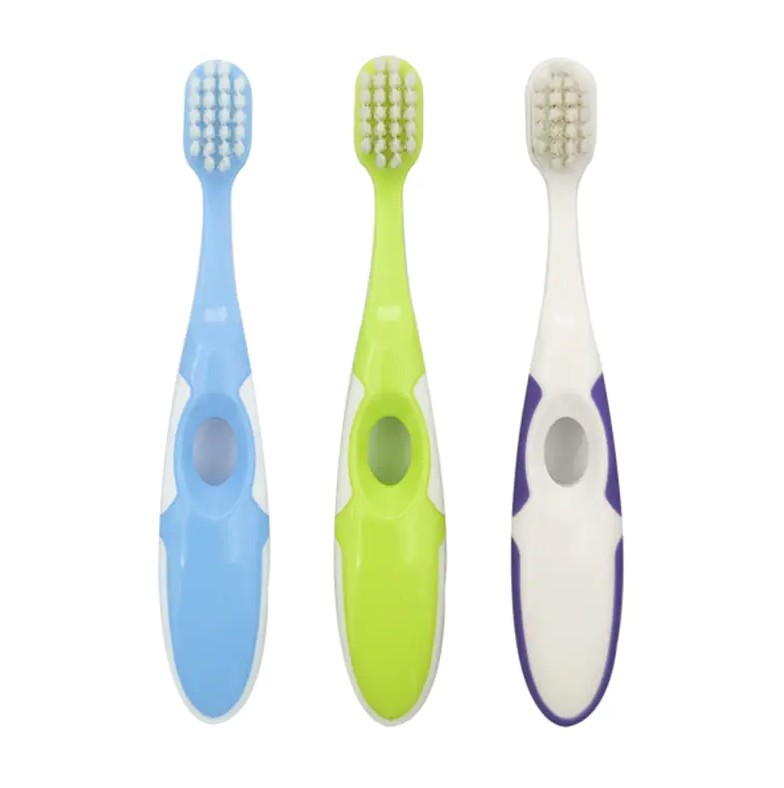
- کودکان (3 ساله): حرکت نوسانی کار تمیز کردن را انجام می دهد بدون توجه به اینکه کودک از تکنیک دستی صحیح استفاده می کند یا خیر. دندانپزشکان مسواک زدن برقی را برای کودکان دقیقاً به این دلیل توصیه می کنند که انطباق با تکنیک قابل اعتماد نیست. مدلهای باتری طراحیشده برای کودکان دارای سرهای کوچکتر، موهای نرمتر و دستههای کوتاهتر متناسب با دستهای کوچکتر هستند.
- بیماران ارتودنسی: براکتها، سیمها و ترازکنندهها سطوحی را ایجاد میکنند که پلاکها را به دام میاندازند که تمیز کردن دستی آنها بسیار دشوار است. هد نوسانی نسبت به سرهای مسطح دستی مسطح در اطراف وسایل ثابت به طور موثرتری حرکت می کند.
- کاربران مسن: کاهش مهارت، قدرت گرفتن و تحرک شانه، انجام حرکات دایره ای کوچک کنترل شده مسواک زدن دستی را دشوار می کند. یک برس نوسانی با قرار دادن ساده هدایت شده پلاک را به طور موثری از بین می برد - بدون نیاز به تکنیک پیچیده مچ دست.
- افراد مبتلا به بیماری یا حساسیت لثه: برسهای نوسانی که با تکنیک هدایتشونده درست استفاده میشوند، فشار جانبی کمتری به بافت لثه نسبت به شستشوی دستی تهاجمی وارد میکنند - و باعث کاهش ضربهای که التهاب لثه و تحلیل رفتن را بدتر میکند، میشود.
- مسافران مکرر: فرمت باتری، کاربردی ترین گزینه برای مسواک زدن برقی برای کسانی است که به طور منظم سفر می کنند و نمی توانند به دسترسی مداوم به انواع شارژر یا استانداردهای ولتاژ خاص اعتماد کنند.
- کاربران مسواک دستی آماده ارتقا هستند: برای هر کسی که هرگز از مسواک برقی استفاده نکرده است، یک مدل نوسانی باتری در دسترس ترین و کم تعهدترین قدم اول برای درک تفاوت مسواک زدن برقی است.
نحوه استفاده صحیح از مسواک باتری نوسانی
بهترین استفاده از مسواک باتری نوسانی به تکنیک کمی متفاوت از مسواک زدن دستی نیاز دارد. بسیاری از کاربران سعی می کنند حرکت شستشوی دستی خود را تکرار کنند و تا حدی مزایای سر برق دار را نفی کنند. رویکرد صحیح:
- قبل از فعال کردن موتور، مقداری خمیردندان فلورایددار به اندازه یک نخود را روی سر مسواک بمالید – روشن کردن آن قبل از قرار دادن آن در دهان، پاشیدن خمیر دندان را کاهش می دهد.
- سر مسواک را در مقابل دندان قرار دهید زاویه 45 درجه نسبت به خط لثه ، به موها اجازه می دهد که با سطح دندان و لبه لثه به طور همزمان تماس پیدا کنند.
- اجازه دهید حرکت نوسانی کار را انجام دهد. سر مسواک را به آرامی از دندان به دندان دیگر هدایت کنید - تقریباً 3 ثانیه برای هر دندان صرف کنید - به جای اینکه مانند مسواک دستی به جلو و عقب بشویید.
- به طور سیستماتیک از طریق هر چهار ربع کار کنید: بالا سمت راست، بالا سمت چپ، پایین سمت چپ، پایین سمت راست - خرج کردن 30 ثانیه در هر ربع برای یک جلسه کامل دو دقیقه ای
- فقط فشار ملایم و هدایت کننده اعمال کنید. سر نوسانی به طور موثر با حداقل نیرو تمیز می شود - فشار دادن سخت باعث بهبود تمیز کردن نمی شود و می تواند به مرور زمان به بافت لثه آسیب برساند.
- پس از مسواک زدن سطوح دندان، سر مسواک را به طور مختصر به صورت عمودی زاویه دهید تا سطوح داخلی دندان های جلویی تمیز شود، جایی که روش صاف نمی تواند به طور موثر به آن برسد.
- پس از استفاده، سر مسواک را زیر آب جاری بشویید و مسواک را در حالت عمودی قرار دهید تا موهای آن در هوا خشک شود. سر برس را هر بار تعویض کنید 3 ماه ، یا زودتر اگر موها ساییدگی قابل مشاهده را نشان دهند.
ویژگی هایی که مسواک های باتری نوسانی خوب را از مسواک های ضعیف جدا می کند
همه مسواک های نوسان باتری با استاندارد یکسان ساخته نمی شوند. ویژگیهای زیر محصولات با کیفیت بالا را از مدلهای مقرون به صرفه متمایز میکند که ممکن است مزایای بالینی را که قالب قادر به ارائه آن است ارائه ندهد:
کیفیت موتور و ثبات نوسان
یک موتور با کیفیت بالا فرکانس نوسان خود را به طور مداوم در طول چرخه تخلیه باتری حفظ می کند. موتورهای با کیفیت پایین به طور قابل توجهی با اتمام باتری کاهش مییابند، کارایی تمیز کردن را کاهش میدهند و به کاربر نشان میدهند که باتری قبل از اینکه واقعاً جایگزین شود، نیاز به تعویض دارد. به دنبال محصولات تولید کنندگان با قابلیت مهندسی موتور ثابت شده باشید - شرکت هایی با چندین دهه تجربه اختصاصی در تولید مسواک برقی و تأسیسات تولید دارای گواهی ISO روی مشخصات موتور و کنترل کیفیت سرمایه گذاری خواهند کرد که برندهای مصرف کننده که از کارخانه های ژنریک تهیه می شوند نمی توانند با آنها مطابقت داشته باشند.
نوع و پیکربندی بریستل
موهای سر مسواک نوسانی باید باشد پایان گرد - یک فرآیند تولید که در آن هر نوک موها صاف صیقلی می شود تا لبه های تیز باقی مانده از برش را از بین ببرد. موهای گرد نشده می توانند باعث ساییدگی میکروسکوپی بافت لثه شوند، به ویژه زمانی که سر برقی سرعت و فرکانس تماس را افزایش می دهد. سر مسواک های باکیفیت همچنین از آرایش های چند طول یا زاویه دار استفاده می کنند که در طول حرکت نوسانی به طور همزمان به سطوح مختلف دندان می رسند.
دسته ارگونومی و گریپ
دسته باید با یک دست مرطوب و صابونی متعادل و راحت باشد. مناطق دستگیره لاستیکی بدون لغزش در نواحی تماس شست و انگشت از چرخش برس در دست در حین استفاده جلوگیری می کند. الف قطر دسته 28-35 میلی متر در منطقه گرفتن مناسب بیشتر دست های بزرگسال است، در حالی که مدل های کودکان باید به نسبت باریک تر باشند.
استاندارد ضد آب
هر مسواک مورد استفاده در حمام باید به خوبی ضد آب باشد. مسواکهای نوسانی باتری باکیفیت حداقل یک عدد را حمل میکنند رتبه بندی ضد آب IPX5 یا IPX7 - به این معنی که می توانند در برابر جت های آب یا غوطه ور شدن کوتاه بدون ورود آب به محفظه باتری یا محفظه موتور مقاومت کنند. عایق رطوبتی ضعیف منجر به خوردگی باتری و خرابی موتور در عرض چند ماه در محیط حمام می شود.
طراحی محفظه باتری
درپوش یا مهر و موم محفظه باتری باید به راحتی باز و بسته شود، با یک حلقه O یا واشر شفاف که پس از تعویض مکرر باتری، مهر و موم ضد آب را حفظ کند. درپوش های سفت که نیاز به ابزار برای باز کردن دارند، یا درپوش های شل که به درستی آب بندی نمی شوند، خرابی های کیفیت رایج در محصولات با مشخصات پایین تر هستند.
در دسترس بودن سر جایگزین
یک مسواک نوسانی تنها زمانی مفید است که سر مسواک جایگزین به طور مداوم در دسترس باشد. بررسی کنید که سرهای جایگزین در بستههای چندتایی فروخته میشوند، به طور گسترده ذخیره میشوند و مکانیزم اتصال سر روی دسته به اندازهای بادوام است که صدها تغییر سر را در طول عمر کاری دسته بدون شل شدن بپذیرد.
نگرانی های متداول در مورد مسواک های باتری دار - پرداخته شده است
برخی تردیدها در مورد مسواک های نوسانی که با باتری کار می کنند اغلب مطرح می شود. در اینجا یک ارزیابی صادقانه از هر یک است:
آیا آنها به اندازه مسواک های برقی قابل شارژ موثر هستند؟
مخصوصاً برای حرکت نوسانی، بله - مزایای بالینی ناشی از حرکت نوسانی چرخشی است، که چه با باتری های قابل تعویض یا یک سلول قابل شارژ یکسان است. مدلهای شارژی معمولاً سرعت نوسان بالاتر، حالتهای اضافی (سفیدکننده، حساس، مراقبت از لثه) و ویژگیهای هوشمندتر مانند سنسورهای فشار و اتصال بلوتوث را ارائه میدهند – اما برای وظیفه اصلی حذف پلاک، یک مسواک نوسان باتری با کیفیت همتراز با مدلهای قابل شارژ اولیه است.
"آیا باتری ها در زمان نامناسب تمام نمی شوند؟"
اکثر مسواکهای باتری باکیفیت، عملکرد را به تدریج کاهش میدهند که قبل از توقف کامل موتور، هشدار زیادی میدهد - برخلاف تلفنی که ناگهان خاموش میشود. نگه داشتن باتری یدکی در کابینت حمام، ناراحتی را به طور کامل از بین می برد. بسیاری از مدل ها دارای چراغ نشانگر کم باتری نیز هستند. با عمر باتری معمولی 4-8 هفته ، تغییرات باتری به جای یک شگفتی به بخشی قابل پیش بینی از روال ماهانه تبدیل می شود.
"آیا لرزش ناراحت کننده است یا خیلی شدید؟"
مسواک های باتری نوسانی در فرکانس و دامنه کمتری نسبت به مدل های صوتی کار می کنند و باعث می شوند به طور کلی ملایم تر و کمتر سر و صدا در احساس اکثر کاربرانی که مسواک های صوتی را بیش از حد تحریک می کنند، به راحتی با مدل های باتری نوسانی در چند جلسه سازگار می شوند. کاربرانی که حساسیت دندانی بالایی دارند، میتوانند برای کاهش هر گونه ناراحتی اولیه، سر مسواکهایی با درجههای موی بسیار نرم انتخاب کنند.
"آیا مسواک های باتری برای محیط زیست مضر هستند؟"
این نگرانی معتبر است و ارزش مدیریت فعال دارد. انتخاب مسواک باتری دار با یک سر برس قابل تعویض (به جای مسواک یکبار مصرف باتری کاملاً یکبار مصرف) ضایعات پلاستیکی را به طور چشمگیری در مقایسه با دور انداختن کل واحد کاهش می دهد. بازیافت باتریهای AA یا AAA استفادهشده از طریق برنامههای بازیافت باتری - موجود در بیشتر کشورها - نگرانی اتلاف باتری را برطرف میکند. برخی از تولیدکنندگان اکنون دستگیرههایی را ارائه میکنند که برای عمر طولانیتر پنج سال یا بیشتر طراحی شدهاند که باعث کاهش بیشتر اثر محیطی در هر جلسه مسواک زدن میشود.
عملکرد مسواک باتری نوسانی توسط گروه کاربر
جدول زیر نحوه عملکرد مسواکهای باتری نوسانی را در پروفایلهای مختلف کاربر خلاصه میکند و به شما کمک میکند تشخیص دهید که آیا این نوع مسواک برای شرایط خاص شما مناسب است یا خیر:
| نمایه کاربر | رتبه بندی مناسب بودن | مزیت کلیدی | در نظر گرفتن |
|---|---|---|---|
| کودکان (3 تا 12 سال) | عالی | تکنیک دستی ضعیف را جبران می کند | از اندازه سر و موهای نرم مخصوص کودک استفاده کنید |
| نوجوانان / دانش آموزان | عالی | خیر charger needed in shared bathrooms | قالب مناسب برای سفر و خوابگاه |
| بزرگسالان (مصرف عمومی) | خیلی خوبه | حذف پلاک بهتر از دستی است | در صورت تمایل به ویژگیهای هوشمند، قابلیت شارژ مجدد ممکن است مناسب باشد |
| مسافران مکرر | عالی | خیر charger or adapter required worldwide | در سفرهای طولانی مدت باتری یدکی همراه داشته باشید |
| کاربران مسن | عالی | کاهش مهارت را جبران می کند | دسته سبک با چسبندگی خوب را انتخاب کنید |
| بیماران ارتودنسی | خیلی خوبه | اطراف براکت ها و سیم ها را به طور موثر تمیز می کند | در صورت وجود از سر برس مخصوص ارتودنسی استفاده کنید |
| کاربران با لثه های حساس | خوب | تکنیک هدایت شده فشار تهاجمی را کاهش می دهد | سر با درجه موهای بسیار نرم را انتخاب کنید |
هنگام خرید به دنبال چه چیزی باشید: یک چک لیست عملی
از این چک لیست برای ارزیابی مسواک باتری نوسانی قبل از خرید استفاده کنید:
- سرعت نوسان: حداقل دنبالش باش 6000 ضربه در دقیقه برای اختلال موثر پلاک مشخصات باید توسط سازنده به وضوح بیان شود.
- موهای انتهایی گرد: اطمینان حاصل کنید که سر برس از موهای گرد (نوک صیقلی) انتهایی استفاده می کند - این باید به صراحت بیان شود یا در مستندات محصول قابل مشاهده باشد.
- عایق رطوبتی: حداقل رتبه IPX5 برای ایمنی حمام؛ اگر برس ممکن است در حمام استفاده شود یا زیر آب جاری شسته شود، IPX7 ترجیح داده می شود.
- سیستم سر جایگزین: اطمینان حاصل کنید که سرهای جایگزین به راحتی در دسترس هستند و اینکه اتصال سر به دسته یک طراحی ثابت و بادوام است.
- کیفیت دستگیره: برای کنترل ایمن با دستهای خیس، ناحیه دستگیره باید از جنس لاستیک یا مواد بافتدار غیر لغزنده باشد، نه پلاستیک صاف.
- مهر و موم محفظه باتری: بررسی کنید که طراحی درپوش باتری شامل یک حلقه یا واشر O-Ring باشد و پس از تعویض باتری به طور قابل اعتماد دوباره مهر و موم شود.
- اعتبار سازنده: محصولاتی را از تولید کنندگان با تجربه تولید قابل تایید در تولید مسواک برقی انتخاب کنید - ایده آل شرکت هایی با دهه ها سابقه تحقیق و توسعه و تولید اختصاصی ، روابط تامین OEM/ODM و سیستم های مدیریت کیفیت را که مطابق با استانداردهای شناخته شده تایید شده است، ایجاد کرد.
استاندارد ساخت در پشت یک مسواک نوسانی قابل اعتماد
کیفیت مسواک باتری نوسانی از استانداردهای ساخت شرکت تولید کننده آن جدا نیست. تفاوت بین مسواکهایی که به طور مداوم فواید بالینی حرکت نوسانی را ارائه میدهند و مسواکهایی که در عرض چند ماه از کار میافتند، در دقت موتور، کیفیت قالب، پردازش موهای زائد و کنترل مونتاژ است.
شرکتهایی که از همان روزهای اولیه توسعه مسواک برقی در تولید محصولات مراقبت از دهان تخصص داشتهاند - یکپارچهسازی تحقیق و توسعه، طراحی قالب، تولید و سیستمهای کیفیت در مسواکهای دستی، مسواکهای برقی، مسواکهای بین دندانی و نخ دندان - عمق مهندسی انباشتهای را به ارمغان میآورند که قابلیتهای مجدد مهندسی را مستقیماً به محصول تبدیل میکند. با ظرفیت تولید سالانه در میلیون ها واحد و زنجیرههای تامین صادراتی که به بازارهای آمریکای شمالی، اروپا و آسیا-اقیانوسیه خدمت میکنند، تولیدکنندگان مراقبت از دهان در مقیاسی کار میکنند که کنترلهای کیفیتی را که هر یک از محصولات باید به طور مداوم رعایت کنند، میطلبد و حفظ میکند.
برای خریدارانی که مسواکهای باتری نوسانی را تامین میکنند - چه به عنوان محصولات خردهفروشی، کالاهای با مارک OEM یا حجم عمدهفروشی - سابقه سازنده در مهندسی مسواک برقی قابل اعتمادترین شاخص واحد عملکرد محصول است که کاربر نهایی تجربه خواهد کرد.
حکم نهایی: آیا باید از مسواک باتری نوسانی استفاده کرد؟
پاسخ برای اکثر مردم کاملاً مثبت است. مسواک های نوسانی با باتری کار می کنند بهبودهای بالینی اثبات شده در حذف پلاک و سلامت لثه بیش از مسواک زدن دستی، نیازی به زیرساخت شارژ ندارند، با باتریهای استاندارد کار میکنند، در نقاط ورودی در دسترس هستند و برای کاربران از کودکان خردسال تا افراد مسن مناسب هستند. برای هر کسی که به دنبال ارتقای روال بهداشت دهان و دندان خود بدون هزینه یا تعهد یک سیستم شارژی ممتاز است، یک مسواک با باتری نوسانی با کیفیت عملی ترین و با پشتوانه شواهد انتخاب موجود است.
نکته کلیدی برای بهترین استفاده از فرمت، انتخاب محصولی از یک تولید کننده با تخصص واقعی در مهندسی مسواک برقی، اطمینان از استفاده صحیح سر مسواک از پرزهای گرد شده و استفاده از تکنیک هدایت شده صحیح است - اجازه دادن به حرکت نوسانی به جای بازگشت به عادات شستشوی دستی. با رعایت این شرایط، کاربران به طور مداوم متوجه می شوند که نتایج معاینه دندانی آنها بهبود می یابد و سلامت لثه آنها به طور قابل توجهی در عرض چند هفته پس از تغییر فواید بهبود می یابد.