
Phone:+86-13952799285
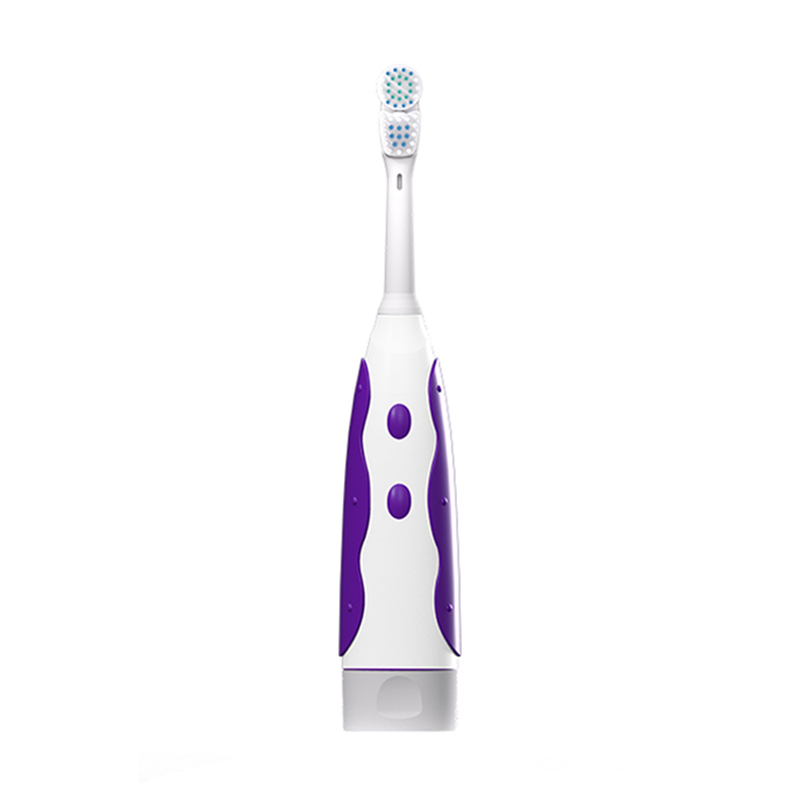
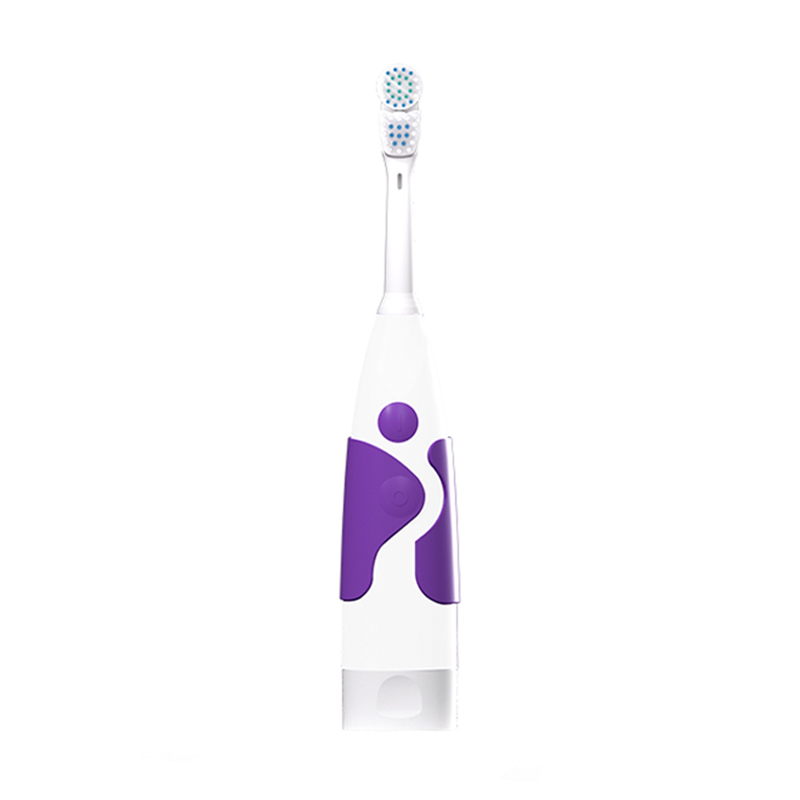
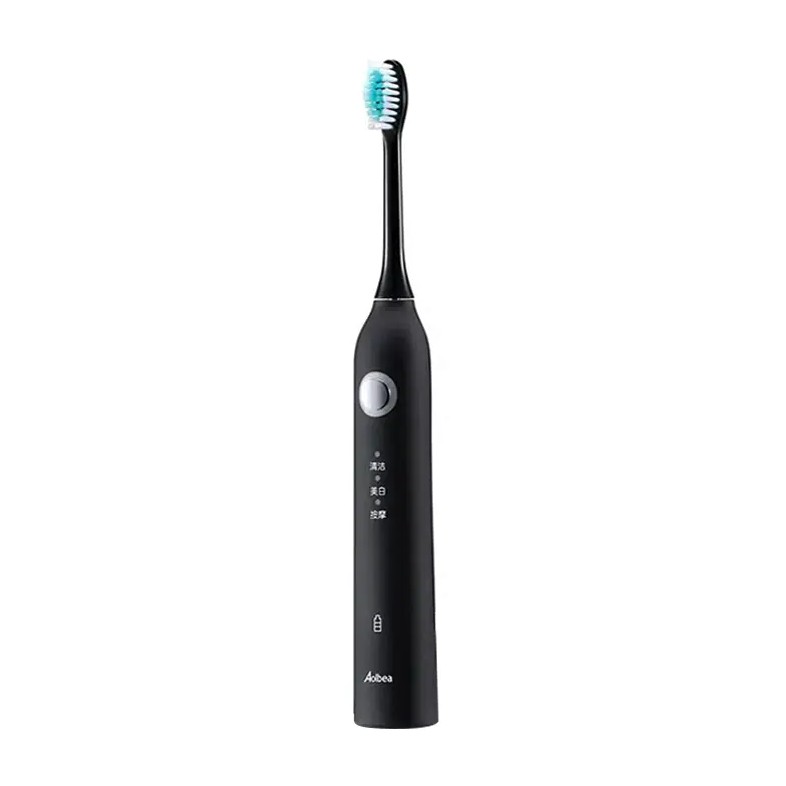
برای مسواک زدن صحیح با برس برقی قابل شارژ صوتی، سر مسواک را با زاویه 45 درجه در مقابل خط لثه نگه دارید، اجازه دهید موها با فشار کم کار را انجام دهند و مسواک را به آرامی در سطح هر دندان به مدت دو دقیقه کامل هدایت کنید. به جای این که با مسواک دستی آن را جلو و عقب بکشید. ارتعاشات صوتی که اغلب با 30000 تا 40000 حرکت در دقیقه حرکت می کنند، در حال حاضر کار تمیز کردن را انجام می دهند، بنابراین بزرگترین تغییر تکنیکی که اکثر افراد باید انجام دهند اعمال فشار کمتر و حرکت آهسته تر است. با استفاده از a برس برقی قابل شارژ سونیک به درستی تفاوت قابل توجهی در حذف پلاک و سلامت لثه در مقایسه با استفاده از روش مشابهی که از مسواک زدن دستی منتقل می شود، ایجاد می کند. بخشهای زیر تکنیک کامل را با جزئیات به همراه اشتباهات رایجی که باید از آن اجتناب کنید، پوشش میدهد.
گرفتن زاویه و موقعیت درست
زاویه مسواک زدن توصیه شده برای برس برقی صوتی است 45 درجه در برابر خط لثه تکنیکی که معمولاً به عنوان تکنیک باس اصلاح شده نامیده می شود و در راهنمای بهداشت دندان منتشر شده توسط انجمن دندانپزشکی آمریکا توصیه می شود. این زاویه به نوک موها اجازه میدهد تا کمی به زیر خط لثه برسند، جایی که پلاکها به شدت تجمع میکنند.
موقعیت یابی گام به گام
- سر مسواک را خیس کنید و مقداری خمیر دندان به اندازه نخود بمالید
- مسواک را قبل از قرار دادن آن روی دندان های خود روشن کنید تا از پاشیده شدن آن جلوگیری کنید
- سر مسواک را تا زاویه 45 درجه در جایی که دندان ها به لثه می رسند خم کنید
- برس را به آرامی در جای خود نگه دارید و اجازه دهید ارتعاشات در سراسر سطح حرکت کنند
اعمال مقدار مناسب فشار
یکی از رایج ترین اشتباهاتی که افراد هنگام تغییر از مسواک دستی به مسواک صوتی مرتکب می شوند، اعمال فشار محکم یکسان است که می تواند مینای دندان را از بین ببرد و به مرور زمان لثه ها را تحریک کند. برس های سونیک به گونه ای طراحی شده اند که با یک لمس سبک به طور موثر کار کنند، زیرا خود لرزش به جای نیروی شستشوی دستی، عمل تمیز کردن را فراهم می کند.
نشانه هایی که نشان می دهد خیلی سخت مسواک می زنید
- موها در حین استفاده به وضوح صاف می شوند یا به سمت بیرون پخش می شوند
- لثه ها بعد از مسواک زدن احساس درد می کنند یا کمی قرمز می شوند
- سر برس سریعتر از چرخه 3 تا 4 ماهه مورد انتظار فرسوده می شود
بسیاری از برس های صوتی با کیفیت بالاتر شامل یک سنسور فشار داخلی هستند که اغلب از طریق تغییر در الگوی ارتعاش یا نشانگر نور، هنگامی که نیروی بیش از حد اعمال می شود، به کاربر هشدار می دهد، که به ایجاد عادات بهتر در طول زمان کمک می کند.
پیروی از یک الگوی مسواک زدن ثابت
حرکت از طریق دهان به ترتیب منظم و روشمند کمک می کند تا اطمینان حاصل شود که هیچ ناحیه ای از قلم نیفتاده یا کمتر مسواک زده شده است، که به ویژه مفید است زیرا بسیاری از تایمرهای برس صوتی به فواصل ربع تقسیم می شوند تا این الگو به طور خودکار هدایت شود.
توالی مسواک زدن توصیه شده
| بخش زمانی | منطقه ای برای تمرکز |
| 0 تا 30 ثانیه | ربع بالا سمت راست، سطوح بیرونی و داخلی |
| 30 تا 60 ثانیه | ربع بالا سمت چپ، سطوح بیرونی و داخلی |
| 60 تا 90 ثانیه | ربع پایین سمت راست، سطوح بیرونی و داخلی |
| 90 تا 120 ثانیه | ربع پایین سمت چپ، سطوح بیرونی و داخلی |
بسیاری از برس های صوتی دارای یک تایمر داخلی هستند که هر 30 ثانیه یکبار به طور مختصر پالس می کند تا زمان حرکت به ربع بعدی را نشان دهد، که به توزیع یکنواخت زمان مسواک زدن در کل دهان کمک می کند و نه صرف زمان طولانی در یک ناحیه.
مسواک زدن تمام سطوح دندان
به راحتی می توان بر روی سطوح جلویی دندان که به راحتی قابل مشاهده است تمرکز کرد و از سطوح جویدنی و سطوح داخلی رو به زبان غفلت کرد، که هر دو قسمت های رایجی هستند که در آن پلاک بدون توجه ایجاد می شود.
سطوحی که هر بار باید پوشانده شوند
- سطوح بیرونی رو به گونه ها و لب ها
- سطوح داخلی رو به زبان و کام
- سطوح جویدنی دندان های آسیاب که در آن ذرات غذا جمع می شوند
- خط لثه در امتداد هر دو دندان بالا و پایین
رسیدن به زمان کامل مسواک زدن توصیه شده
سازمان های بهداشتی دندان، از جمله انجمن دندانپزشکی آمریکا، مسواک زدن را به طور کامل توصیه می کنند دو دقیقه، دو بار در روز و مطالعات روی عادات مسواک زدن نشان داده است که بسیاری از افرادی که از مسواک های دستی استفاده می کنند از این هدف کوتاهی می کنند و اغلب نزدیک به 45 ثانیه مسواک می زنند. برس های برقی سونیک این شکاف را با یک تایمر دو دقیقه ای داخلی برطرف می کنند که کل زمان مسواک زدن را به طور خودکار پیگیری می کند و حدس و گمان را حذف می کند.
چرا دو دقیقه کامل مهم است
برداشتن پلاک یک فرآیند تدریجی است که مستلزم آن است که موها به طور مداوم با هر سطح دندان تماس داشته باشند و با کوتاه کردن زمان مسواک زدن، پلاک در مناطقی که با عجله از بین رفته اند باقی می ماند. تایمر تعبیه شده روی برس صوتی یکی از ساده ترین ویژگی ها برای ایجاد عادت مسواک زدن کامل مدت زمان توصیه شده به طور مداوم است.
استفاده صحیح از حالت های مختلف مسواک زدن
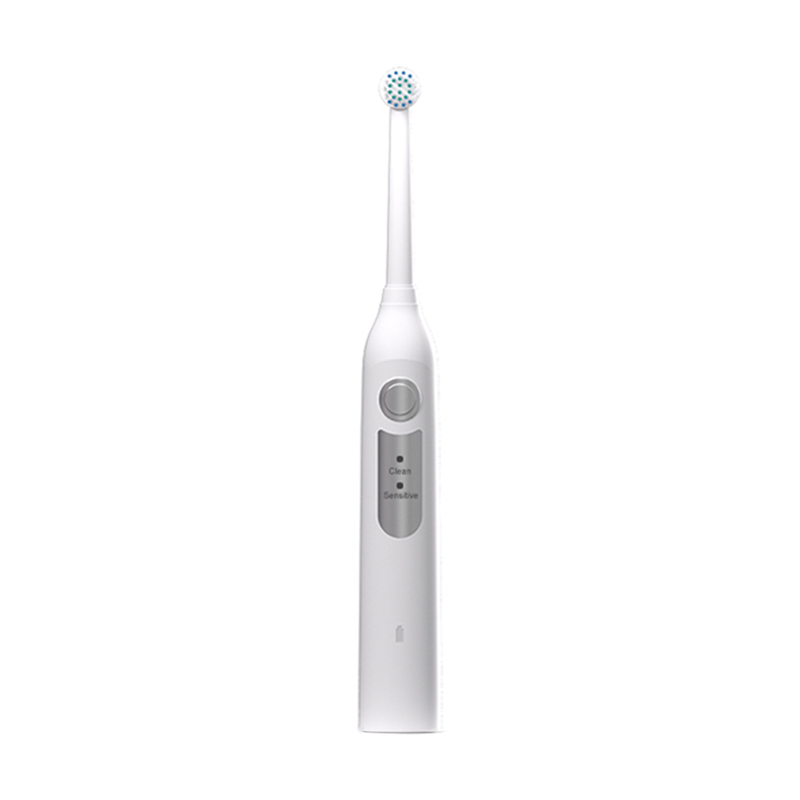
بسیاری از برسهای شارژی سونیک دارای حالتهای متعددی مانند تمیز، حساس، سفیدکننده و مراقبت از لثه هستند که هر کدام شدت و الگوی لرزش را برای هدف خاصی تنظیم میکنند. انتخاب حالت مناسب برای نیازهای شما، به جای تنظیم پیش فرض با بالاترین شدت، به محافظت از مینای دندان و بافت لثه در طول زمان کمک می کند.
حالت های رایج و زمان استفاده از آنها
| حالت | بهترین استفاده برای |
| تمیز | مسواک زدن استاندارد روزانه |
| حساس | کاربران با حساسیت دندان یا لثه |
| سفید کردن | حذف لکه سطحی، گاهی اوقات استفاده می شود |
| مراقبت از لثه | لرزش ملایم تر برای تمرکز بر سلامت لثه |
اشتباهات رایجی که باید از آنها اجتناب کنید
حتی با استفاده از یک برس صوتی با کیفیت، برخی عادات می توانند میزان تاثیرگذاری جلسه مسواک زدن را کاهش دهند.
اشتباهاتی که باعث کاهش اثربخشی می شود
- به جای اینکه اجازه دهید لرزش کار را انجام دهد، برس را به صورت دستی به جلو و عقب حرکت دهید
- شستشوی دهان بلافاصله پس از مسواک زدن، که فلوراید غلیظ باقی مانده از خمیردندان را از بین می برد.
- پرش زبان، جایی که باکتریهای ایجاد کننده بو معمولاً در آن تجمع میکنند
- استفاده از سر برس فرسوده با موهای فرسوده یا پاره شده
مراقبت از دندان ها و لثه ها بین مسواک زدن
روش صحیح مسواک زدن به عنوان بخشی از یک روال مراقبت کامل از دهان و دندان که شامل نخ دندان کشیدن روزانه برای تمیز کردن بین دندانها در جایی که پرزها نمیتوانند به آنها برسند، و معاینات منظم دندانپزشکی برای تشخیص زودهنگام مشکلات، بهترین عملکرد را دارد. مسواک زدن به تنهایی، حتی با تکنیک صحیح، تمام پلاک های بین دندان ها را از بین نمی برد، به همین دلیل است که انجمن دندانپزشکی آمریکا همچنان نخ دندان را به عنوان مکمل روزانه برای مسواک زدن توصیه می کند.
ایجاد یک روال ثابت
مسواک زدن به طور موثر کمتر مربوط به هر جلسه واحدی است و بیشتر در مورد ثبات در طول زمان است، زیرا پلاک ظرف چند ساعت پس از مسواک زدن شروع به اصلاح می کند. نگه داشتن برس برقی قابل شارژ سونیک شارژ شده و به راحتی قابل دسترسی است، تعویض سر برس طبق برنامه، و پیروی از الگوی روشمند یکسان در هر بار به تبدیل تکنیک مناسب به یک عادت ماندگار کمک می کند تا چیزی که فقط گاهی اوقات اتفاق می افتد.